Jixian Zhu
It is important for every one of us to have a healthy body. And fitness can help us keep good habits and a healthy body. With the development of mobile Internet technology and the wide application of location technology, it is becoming easier and easier to exercise anytime and anywhere, and sports-based interest communities and applications are becoming popular, and sports and community are becoming more and more integrated. The Internet (especially the mobile Internet) hyperlinks, multimedia, the characteristics of low cost, with sex, brings to the sports fitness industry change – fitness resources be completely activated.
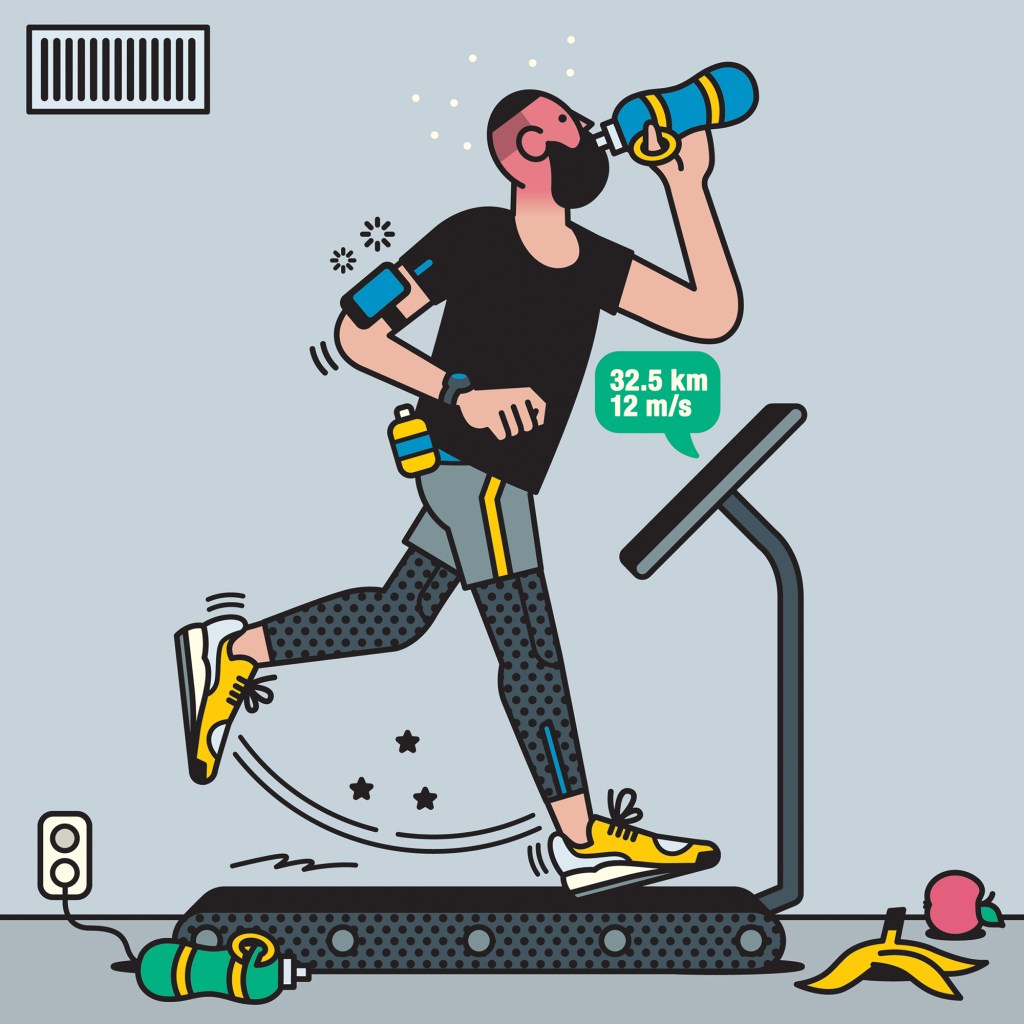
With the popularization of fitness culture, the public began to have a passion for fitness. In our modern life world, health and well-being strongly depend on the individual’s health behaviours, motivation is a major factor of health behaviour change, and intrinsically motivated behaviour change is desirable as it is both sustained and directly contributes to well-being (Johnon, D 2016). But it is difficult for ordinary people to keep exercising. People who have ever lost weight know that the most difficult part of losing weight is to maintain the willpower and motivation to lose weight for a long time after the initial passion has passed. With the deepening of the emerging trend of “gamification” of Internet medical technology, slimming, fat reduction and lifestyle improvement will also enter a new field.
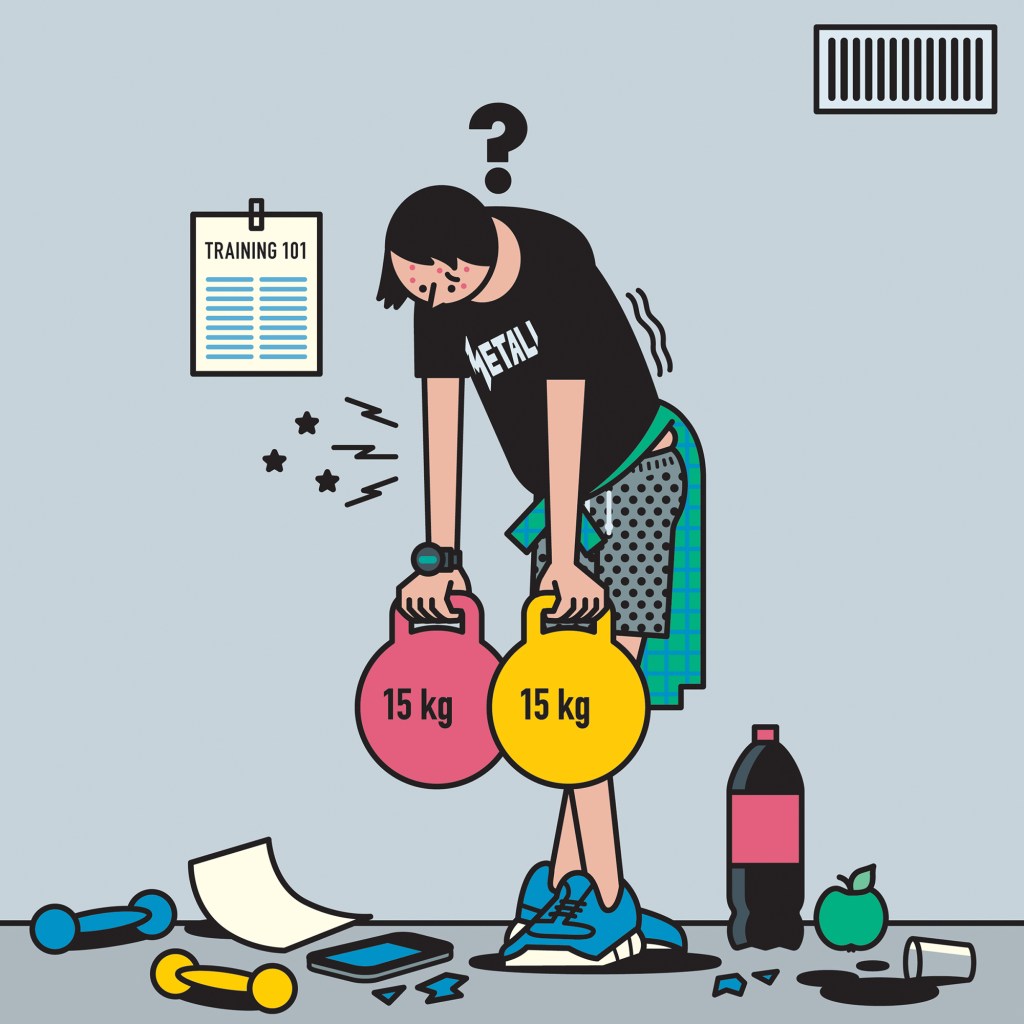
Gamification is the application of game thinking and game mechanics in non-game environments to attract users to participate in problem-solving and improve their self-control, as well as to increase positive behaviours and contributions. In short, gamification can make your life more like a game, releasing some serious emotions and reducing the stress of achieving your goals. Although the concept was first proposed in 2002 by Nick Pelling, a British programmer and inventor, it wasn’t until 2010 that it became widely used on a more specific level — when social/reward mechanics were incorporated into games, it really caught on.
In a review of health apps in the 2014 Apple App Store, more than 100 apps showed a positive correlation between gamification elements used and high user ratings. Game play focuses and controls our attention, taps into our innate strengths, thrills us utterly, and compels us to greater resilience in the attainment of more powerful and effective skills. That’s why many believe it is perfect for behavior change in healthcare. A game is more than the automatic collector of vital signs and notifications. Gamified services engage us, keep us motivated and helps us down the bumpy road of change (The Medical Futurist 2017).
In the year 2019, a fitness game called Ring Fit Adventure is getting very popular in the whole world. It also increased the sales volume of Nintendo Switch.
This is a fitness game, players can install Joy-Con on Nintendo Switch into the game’s built-in “ring-con” and leg strap, to identify their own movements, while fitness while taking risks in the game. In the game can achieve 60 kinds of fitness, and can upload records, and compete with players around the world
In this game the player will get the task and finish it with different movement. Such as running, high knee lift and deep squat. From the point of view of evidence-based behavioral medicine, the only thing that would matter in gamification is whether it employs principles and tactics that have been scientifically proven to influence health outcomes (Cugelman B 2013). Well, the previous video showed the Ring Fit Adventure is doing great on the fitness and it will correct your movement if you did wrong.
In the conclusion. The gamification on fitness is doing great and it is helping lot of people to keep exercise.
Reference List:
Austin John Plays 2019, ‘Ring Fit Adventure – What Does a Professional Trainer Think About this Workout Game?’, Youtube, <https://www.youtube.com/watch?v=irlR1-2B804>.
Cugelman, B 2013, ‘Gamification: What It Is and Why It Matters to Digital Health Behavior Change Developers’, JIMIR Publications, <https://games.jmir.org/2013/1/e3/?utm_source=buffer&utm_campaign=Buffer&utm_co>.
Johnson D, Deterding S, Kuhn K, Staneva A, Stoyanov S, Hides L 2016, ‘Gamification for health and wellbeing: A systematic review of the literature’, ScienceDirect, <https://www.sciencedirect.com/science/article/pii/S2214782916300380>.
Nintendo UK 2019, ‘Ring Fit Adventure – Launch Trailer (Nintendo Switch)’, Youtube, <https://www.youtube.com/watch?v=gO6fw0GU-fE>.
Niemi, R 2020, ‘The people you will meet at gym’, AGENT PEKKA, <https://agentpekka.com/artist/rami-niemi/theme/sports/>.
The Medical Futurist 2017, ‘The Top 15 Examples of Gamification in Healthcare’, The Medical Futurist, <https://medicalfuturist.com/top-examples-of-gamification-in-healthcare/>.
 Supercube